Chapter 7 Bankruptcy
Chapter 7 Bankruptcy Attorney in Salem, MA
When the Debt Has Gone On Long Enough
Chapter 7 Bankruptcy in Massachusetts: What It Is, What It Does, and Why Most People Wait Too Long to Use It
You already know what living with this debt feels like. You let unknown numbers go to voicemail because you know who it is. You move money between accounts trying to decide which bill gets paid this month and which one waits. You have run the math so many times that you already know the answer — that at the current rate, with the minimum payments, with the interest compounding, you are not getting out of this. Some people try debt settlement companies first and pay fees for results that never come. Some try credit counseling and get told there is nothing they can do. Most simply wait, hoping something changes, losing months and sometimes years to a situation that was already solvable. The research behind this firm found one phrase that appears in virtually every post-bankruptcy account, across hundreds of independent sources: "I only wish I had done it sooner." Lamb & Lamb, P.C. is a debt relief agency helping Essex County and North Shore residents file for bankruptcy relief under the Bankruptcy Code. This page explains what Chapter 7 actually is, what it protects, what it cannot eliminate, and what the process looks like from first call to discharge.
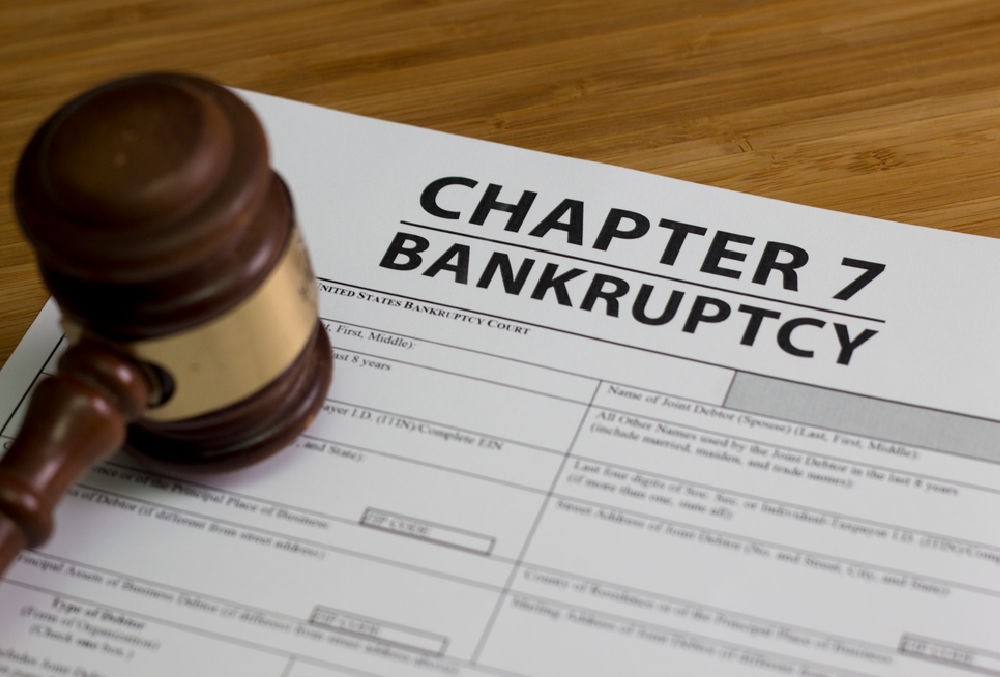
What Chapter 7 Bankruptcy Actually Does
Chapter 7 is a federal legal process that discharges qualifying unsecured debts — credit cards, medical bills, personal loans, and similar obligations — at the conclusion of the proceeding. It is the fastest and most commonly used form of consumer bankruptcy, and for clients whose primary problem is unsecured debt they cannot realistically repay, it is often the most direct path to a genuine financial reset.
The moment a Chapter 7 petition is filed, the automatic stay goes into effect. Immediately. Every creditor collection attempt stops — the calls, the letters, the lawsuits, the wage garnishments, the foreclosure proceedings. Massachusetts caps wage garnishment at 15% of gross wages for general debts. If garnishment is already active when a client files, it halts the same day. One person who went through this process described it with the kind of specificity that only comes from lived experience: "I can answer my phone every time it rings now." That is not a small thing. That is what the automatic stay does in the first hours after filing.
What Massachusetts Protects — The Exemptions
When a bankruptcy petition is filed, an automatic stay goes into effect immediately — stopping all One of the most persistent and most damaging myths about Chapter 7 is that filing means losing everything. It does not. Massachusetts law provides exemptions that protect specific categories of assets from the bankruptcy estate, meaning the trustee cannot liquidate them to pay creditors. The protected categories include:
Homestead equity — Massachusetts homestead protections can shield significant equity in a primary residence from creditors
Vehicle equity — a reasonable amount of equity in a vehicle used for transportation is protected
Retirement accounts — IRAs, 401(k)s, pensions, and similar retirement assets are generally fully exempt, meaning they are not reachable by the bankruptcy trustee
Personal property — clothing, household furnishings, and other personal property up to applicable limits are protected
For most Chapter 7 clients with typical consumer debt — credit cards, medical bills, loans — the exemptions cover everything they own that matters. The discharge eliminates the debt. The assets stay. This is the reality that shame and misinformation about bankruptcy consistently obscure, and it is why the people who have been through it almost universally describe wishing they had stopped waiting sooner.
The Massachusetts Means Test
Chapter 7 is not available to everyone — eligibility requires passing the Massachusetts means test. Household income must be at or below the state median income, currently approximately $103,404 for a two-person household, adjusted periodically. Certain income types are excluded from the calculation, including Social Security benefits, military disability payments, and national emergency payments. Clients whose income exceeds the median may still qualify under the full means test calculation, which accounts for allowable expenses and deductions. Lamb & Lamb assesses eligibility honestly at the outset — including whether Chapter 7 or Chapter 13 is the right fit given the specific circumstances — because the goal is the outcome that actually works, not the one that sounds appealing.
What Chapter 7 Cannot Discharge
Chapter 7 provides substantial relief, but it is not unlimited. Certain categories of debt survive a Chapter 7 discharge completely and will still exist after the proceeding concludes:
Child support and alimony obligations
Most student loans
Court-ordered attorney's fees and court costs
Debts arising from fraud or intentional misconduct
Recent tax debts
Understanding what cannot be discharged before filing is as important as understanding what can be. A client who files Chapter 7 expecting student loan relief, for example, will not find it there. Lamb & Lamb provides a clear, honest assessment of what your specific debt profile looks like under Chapter 7 before any petition is filed.
The Chapter 7 Process From Start to Discharge
For clients who qualify, the Chapter 7 process follows a defined sequence:
Mandatory credit counseling — a U.S. Trustee-approved credit counseling course is required before filing, completed online or by phone
Petition filed — the petition includes detailed financial information, a complete creditor list, asset schedules, and income documentation
Automatic stay triggered — all creditor collection activity stops immediately upon filing
341 Meeting of Creditors — a brief, typically straightforward meeting at which the client answers questions about their finances under oath; the trustee and any creditors who choose to appear may ask questions
Discharge order issued — qualifying unsecured debts are eliminated; the client receives a fresh start
From filing to discharge, Chapter 7 typically concludes in a matter of months — significantly faster than Chapter 13, which involves a three-to-five year repayment plan.
Conclusion
"I was on the verge of being sued by multiple medical collection agencies and I finally got tired of feeling like I was drowning so I contacted a bankruptcy attorney. Best decision ever." That is a real person, writing in a public forum after their discharge, describing what the decision to stop waiting actually felt like.
The shame that keeps people in debt longer than necessary is real. So is the relief on the other side of it. Lamb & Lamb, P.C. has helped Essex County and North Shore residents through this process for over 25 years — with the honest assessment, plain-language guidance, and 24-hour response that make the first call easier to make. Free consultations are available by phone or online.
Lamb & Lamb, P.C. is a debt relief agency. We help people file for bankruptcy relief under the Bankruptcy Code.